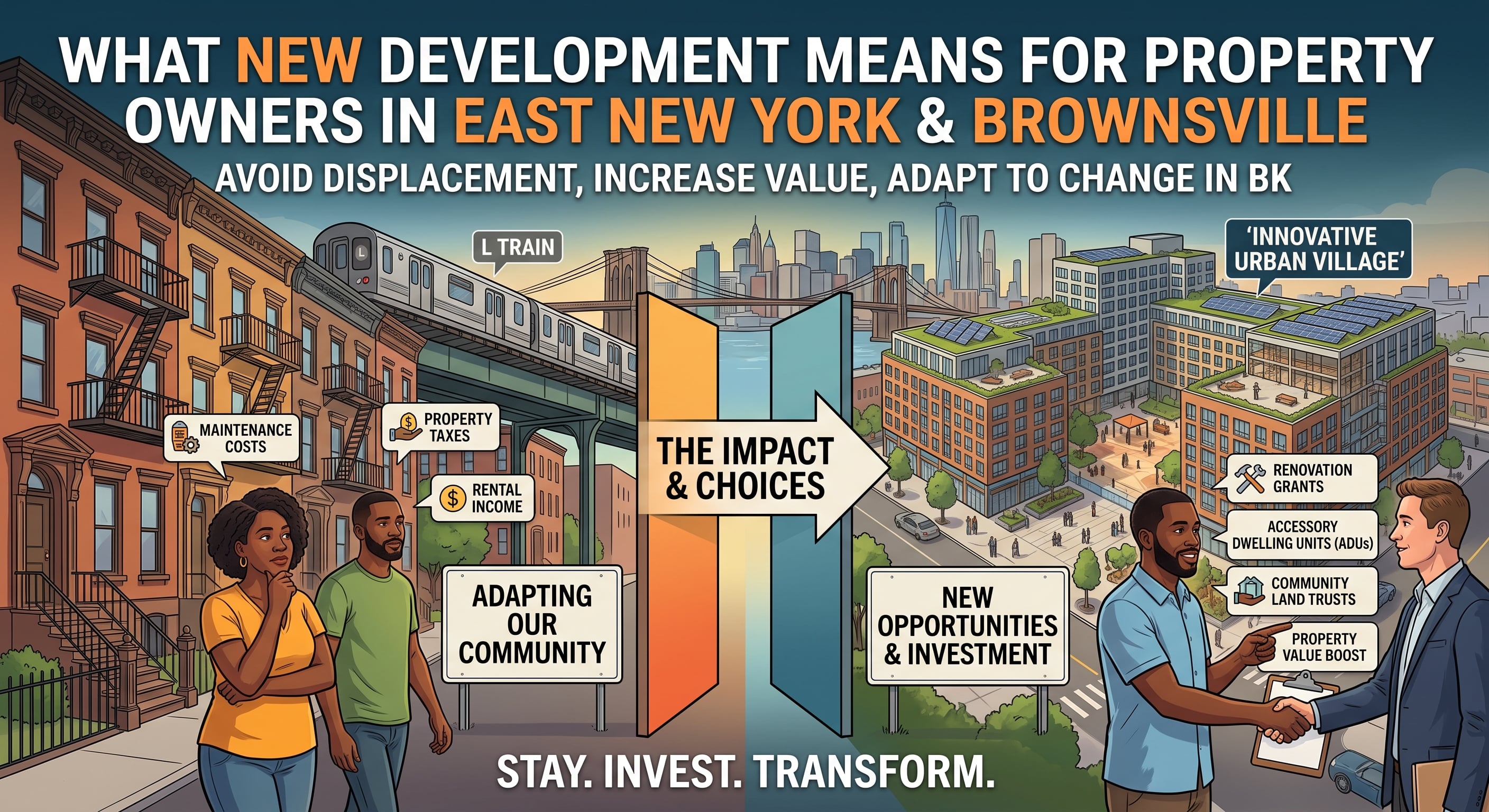
What New Development Means for Property Owners in East New York & Brownsville
Drive down Atlantic Avenue in East New York, or Livonia Avenue in Brownsville, and the change is impossible to miss. New buildings are rising next to century-old row houses. Cranes sit where vacant lots used to be. For property owners who've been here for years, sometimes decades, the question isn't whether things are changing. It's what that change actually means for the value of what they own, and what decisions it should be prompting now.
Here's a clear-eyed look at the development happening in both neighborhoods, and what it means depending on what kind of property owner you are.
The Numbers Behind the Change
East New York's rezoning, first approved back in 2016, was the first of its kind under the mandatory inclusionary housing framework, meaning any developer building market-rate units in the rezoned area had to include a percentage of permanently affordable units alongside them. A decade in, the results are substantial: nearly 6,000 units completed or under construction, with more than 60% of those below-market affordable housing.
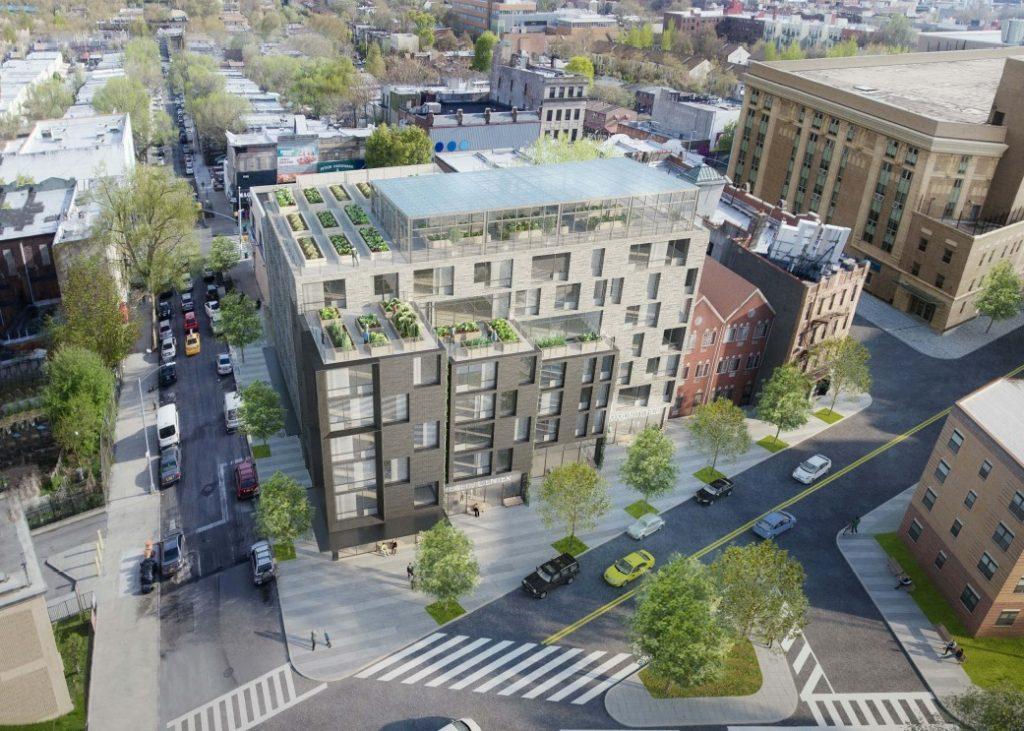
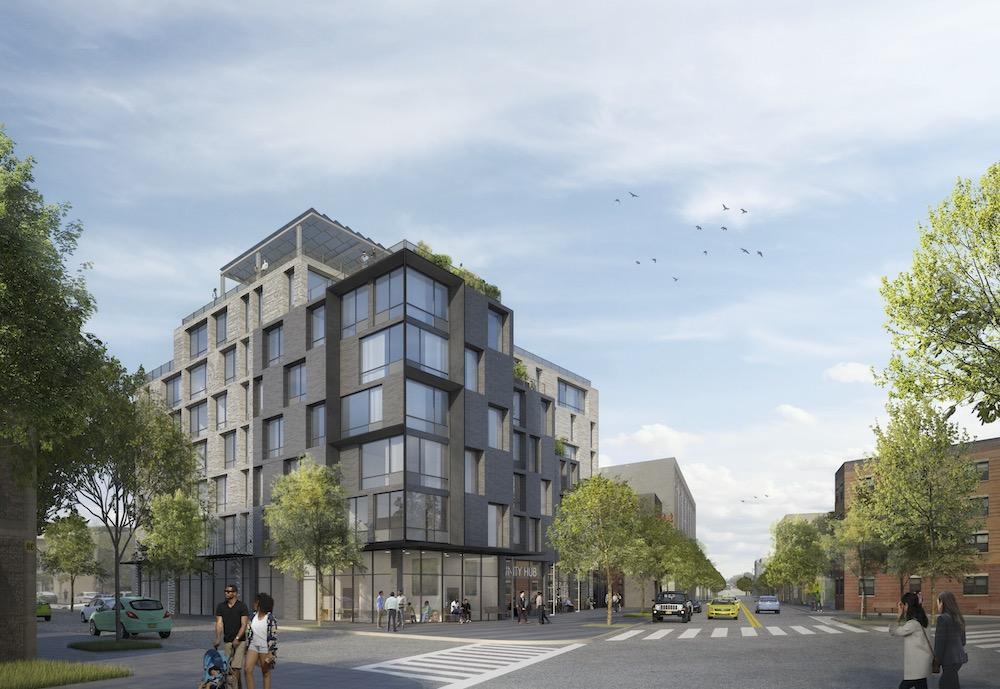
Brownsville has followed a related but distinct path. Rather than one large rezoning, the Brownsville Plan has coordinated over $150 million in city investment across new mixed-use development along corridors like Livonia Avenue, New Lots Avenue, Hegeman Avenue, Rockaway Avenue, and Mother Gaston Boulevard, alongside state-funded initiatives like the Vital Brooklyn Initiative, which has brought projects such as Lebechi East, a 95-unit affordable and supportive housing development replacing a vacant police precinct, and the Brownsville Arts Center & Apartments, combining hundreds of affordable homes with a new cultural center.
| Development Snapshot | East New York | Brownsville |
|---|---|---|
| Primary planning mechanism | 2016 neighborhood rezoning (mandatory inclusionary housing) | The Brownsville Plan + Vital Brooklyn Initiative |
| Units completed or underway | Approximately 6,000 | Multiple projects totaling several hundred units, ongoing |
| Share below-market affordable | Over 60% | Majority of announced projects, often 100% |
| City investment | $267 million in capital improvements | $150 million+ coordinated investment |
Why This Looks Different From Gentrification Elsewhere in Brooklyn
If you've watched what happened in neighborhoods like Williamsburg or Bushwick over the past fifteen years, it's natural to assume East New York and Brownsville are headed the same direction. But the planning framework here was deliberately built to avoid that outcome, and so far, by most measures, it largely has.
The mandatory inclusionary housing tool used in East New York's rezoning was specifically designed so that new market-rate construction couldn't happen without a meaningful share of permanently affordable units built alongside it. That's structurally different from neighborhoods that gentrified through market forces alone, with no affordability requirement attached to new construction.
That said, the picture isn't uniformly positive. Some longtime residents and advocacy groups have pointed out that even with affordability requirements in place, displacement has still happened in pockets, particularly for renters in buildings that were sold and converted to market rate outside the rezoning framework itself. It's a genuinely mixed record, more housing without runaway gentrification, but not without real cost to some longtime residents along the way.
What This Means If You Own Your Home
- Your property value benefits from area-wide investment. New infrastructure, park renovations, and neighborhood amenities funded alongside these developments tend to lift surrounding property values over time, even for homes not directly part of any redevelopment site.
- Down payment assistance programs remain available. Programs like HomeFirst offer up to $15,000 toward down payment or closing costs for qualifying first-time buyers of one- to four-family homes in the area, which matters if you're helping family members buy in or considering how your own property fits into that pipeline.
- Zoning changes near you may affect what you can build. If your lot sits within or adjacent to a rezoned corridor, your as-of-right buildable square footage may have increased. It's worth having this checked, since many owners don't realize their lot's development potential has changed until they go to sell or refinance.
What This Means If You Own a Rental or Multi-Family Property
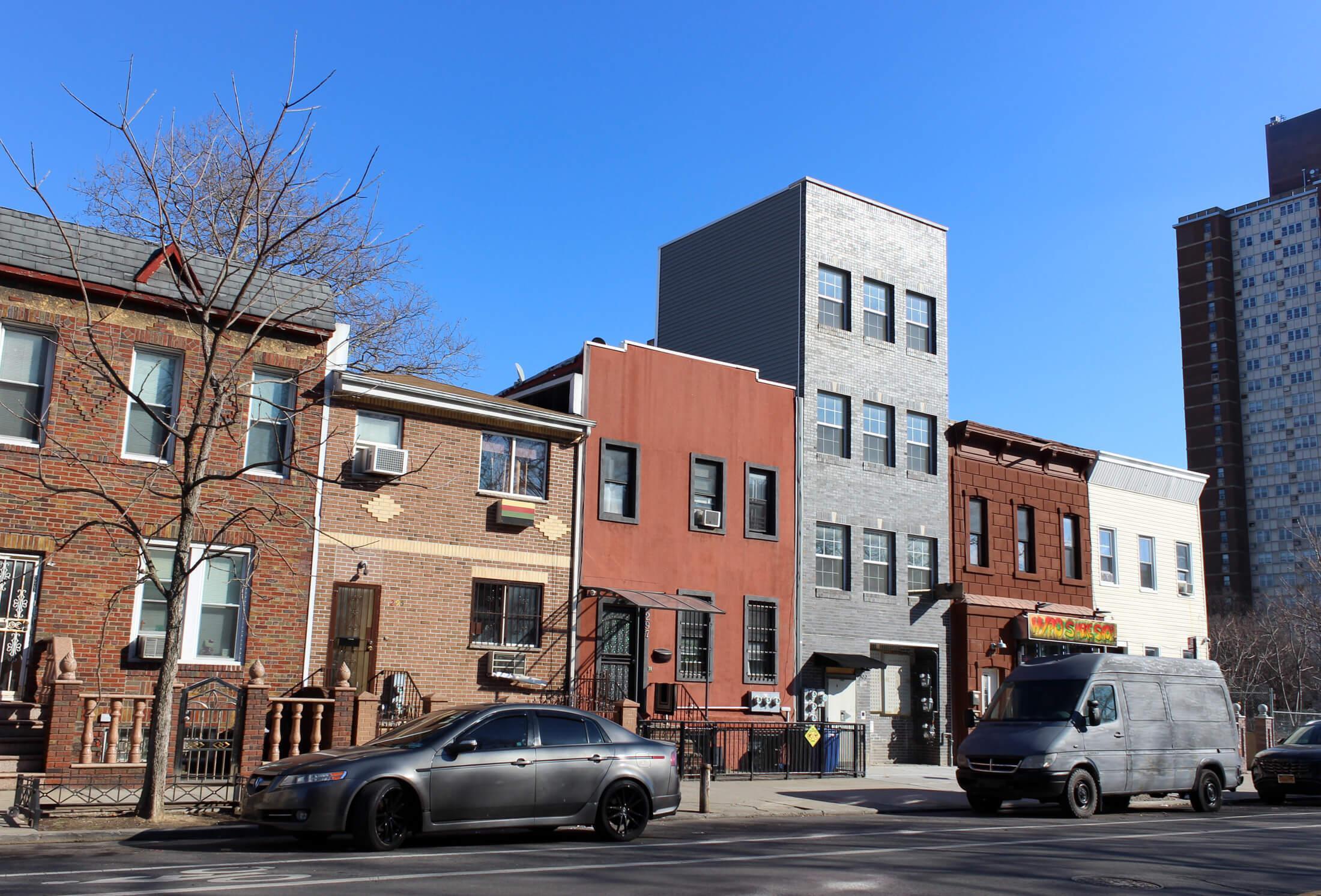
For landlords, new development changes the competitive landscape for tenants in both directions. New construction brings modern amenities that can pull tenants away from older housing stock if your building hasn't kept pace with updates. At the same time, area-wide investment and improved infrastructure tend to support rent levels across the board as the neighborhood becomes more desirable overall.
A few practical considerations if you own rental property in either neighborhood right now:
- Benchmark your rents against new construction, not just older comparable buildings. If a new building down the block is leasing market-rate units at a meaningful premium, that shifts what the market will bear for updated units generally, even in older buildings.
- Understand whether any new development near you includes mixed-use retail or commercial space. Corridors like Livonia Avenue and Belmont Avenue in Brownsville have seen commercial revitalization investment specifically, which can increase foot traffic and desirability for nearby residential blocks.
- If you're considering selling, timing relative to nearby project completions matters. A property near a development that's about to complete and lease up often benefits from a different buyer perception than one near a project that's still years from finishing, since buyers underwrite based on what they can see, not just what's planned.
What This Means If You're Considering Investing
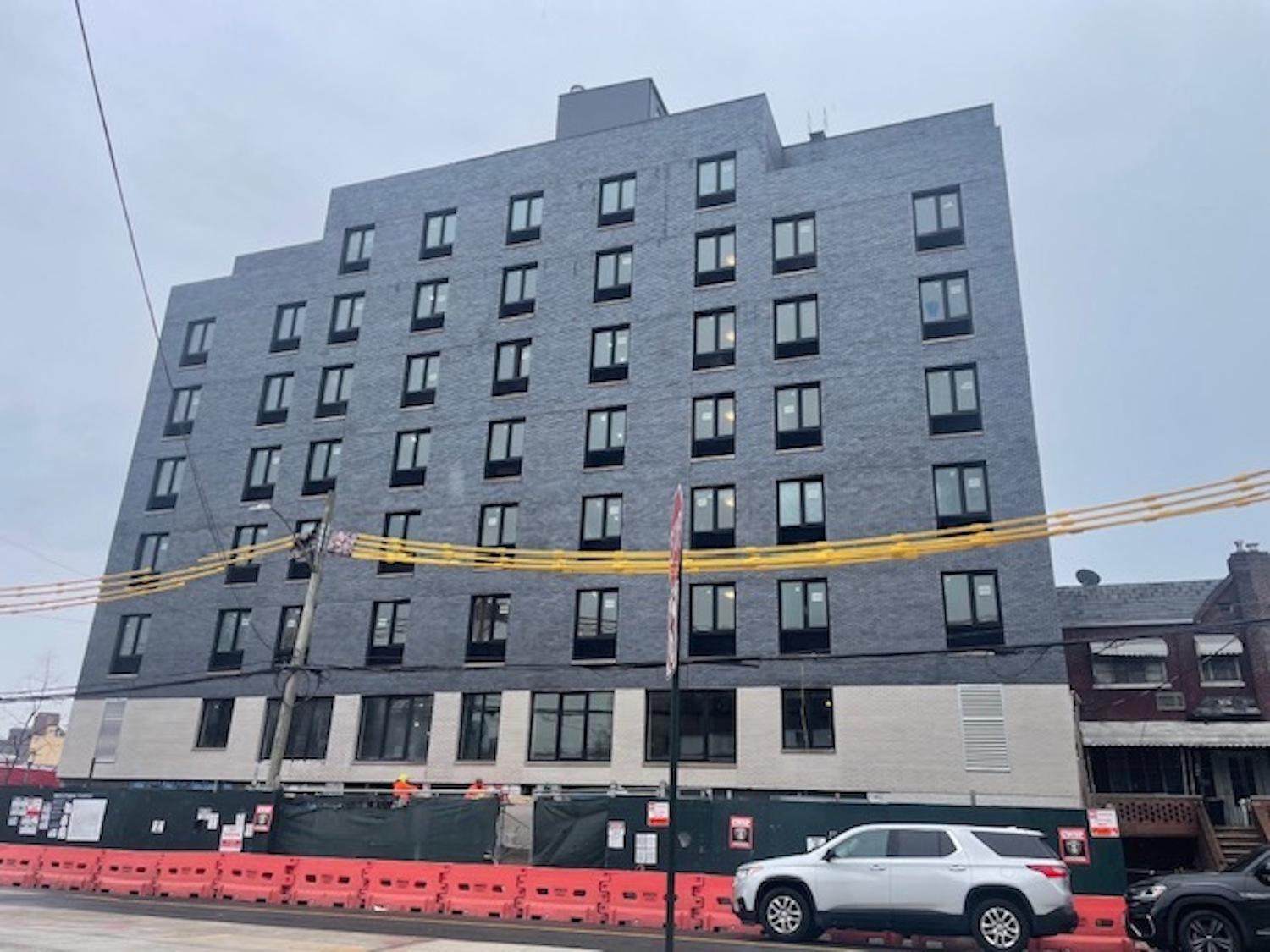
Investors looking at East New York and Brownsville are often drawn to the same fundamentals that make both neighborhoods harder markets for owner-occupants to compete in right now: land and building prices remain meaningfully below more established Brooklyn neighborhoods, while the pace of coordinated public and private investment is real and ongoing, not speculative.
That said, this is not a market where a generic Brooklyn investment thesis applies cleanly. A meaningful share of new construction in both neighborhoods is subsidized affordable or supportive housing built by nonprofit and mission-driven developers, which shapes the surrounding market differently than a neighborhood driven purely by market-rate speculation. Understanding which blocks are seeing which type of development, market-rate mixed-use versus fully subsidized affordable housing, matters enormously for underwriting any acquisition here correctly.
The Bottom Line
East New York and Brownsville are two of the clearest examples in Brooklyn of what coordinated, affordability-anchored development can look like when it's done deliberately rather than left purely to market forces. That's created genuine opportunity for property owners, whether you're a longtime homeowner benefiting from neighborhood investment, a landlord recalibrating your rents against new construction, or an investor evaluating where value still exists in Brooklyn.
But every block tells a slightly different story here, and generic borough-wide trends don't capture the nuance of what's actually happening two streets over from where you own. If you want a clear read on what the development happening near your specific property means for its value, whether you're planning to sell, refinance, or simply understand what you have, we're happy to walk through it with you.
Check out this article next